

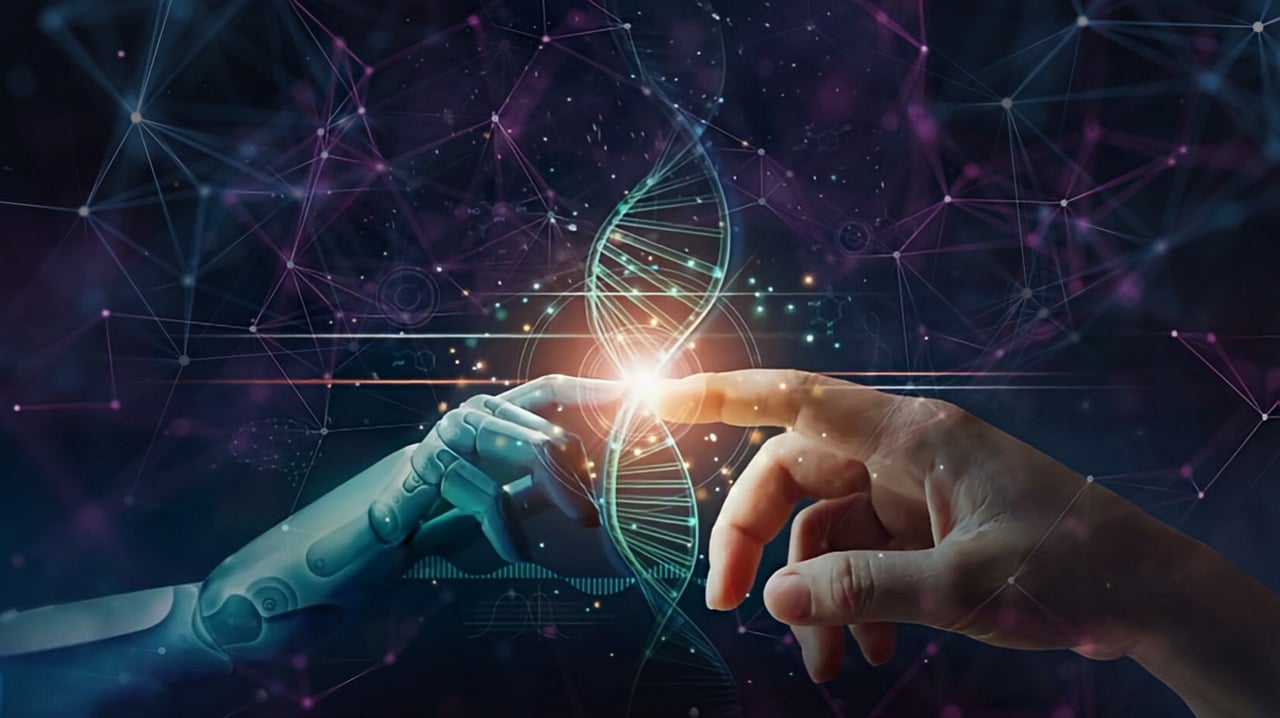
In the ever-evolving landscape of technology, the question of whether artificial intelligence (AI) can replace human intelligence has become a topic of intense debate. As AI continues to advance at an unprecedented pace, some argue that it has the potential to outperform humans in various tasks. This blog aims to delve into this intriguing question, examining the current capabilities of AI, potential areas of overlap with human intelligence, and the ethical considerations surrounding the integration of AI into our lives.
Before we explore the possibility of AI replacing human intelligence, it’s essential to understand what AI is and its current capabilities. Artificial intelligence refers to the development of computer systems that can perform tasks that typically require human intelligence, such as speech recognition, problem-solving, learning, and decision-making.
AI encompasses two main types: Narrow AI (or Weak AI), which is designed for a specific task, and General AI (or Strong AI), which possesses the ability to perform any intellectual task that a human being can. Currently, we are in the era of Narrow AI, with systems excelling in specific domains like image recognition, natural language processing, and game playing.
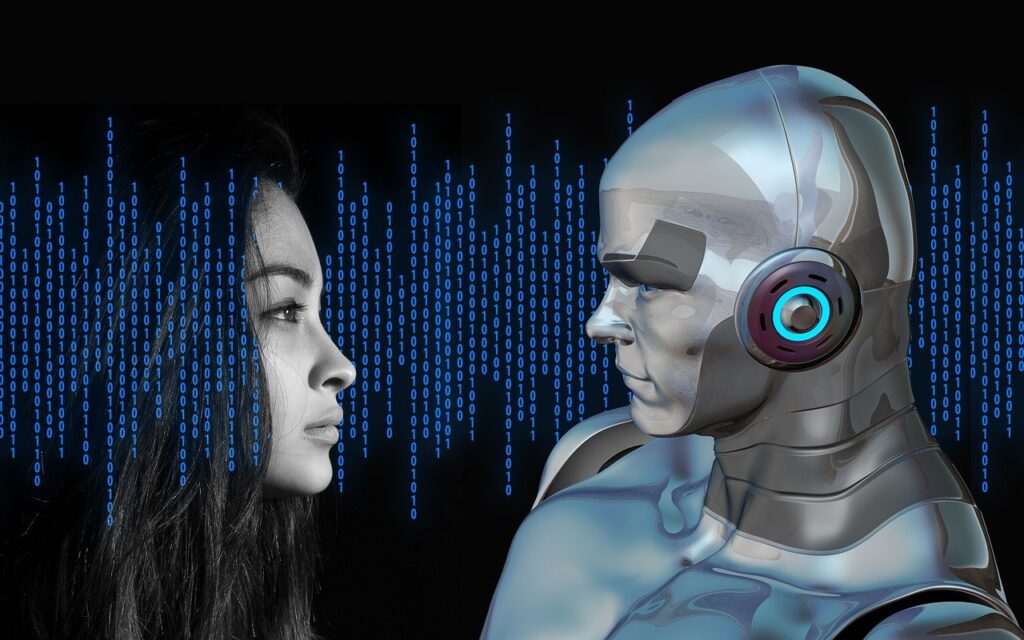
As we explore the potential of AI replacing human intelligence, ethical considerations come to the forefront. The responsible development and deployment of AI must address issues such as bias in algorithms, privacy concerns, and the potential for job displacement. Striking a balance between technological advancement and ethical considerations is crucial to ensure that AI benefits society without causing harm.
In conclusion, while AI has made remarkable strides in various domains, the idea of it completely replacing human intelligence remains a complex and multifaceted question. AI excels in specific tasks, demonstrating efficiency and accuracy, but it lacks the depth and breadth of human intelligence, particularly in areas such as creativity, emotional intelligence, and ethical decision-making.
As we continue to integrate AI into our daily lives, it is essential to approach its development and deployment with caution and ethical considerations. Rather than viewing AI as a replacement for human intelligence, a more constructive perspective is to explore how AI can complement and augment human capabilities, leading to a symbiotic relationship that harnesses the strengths of both.
Ultimately, the future of AI and its impact on human intelligence will be shaped by ongoing research, technological advancements, and the ethical choices we make as a society. As we navigate this evolving landscape, the key lies in harnessing the power of AI to enhance our lives while preserving the unique qualities that make us human.






© Copyright 2026 Zeal Interactive Services. All Rights Reserved.
 13 December 2023
  Team Zeal
 +91 98608 83177 / +91 81697 92086
 Sunrays Shopping Centre,
 gaurav@zealinteractive.in
 www.zealinteractive.in