

Sensor-based technology refers to the use of sensors to gather data and perform a specific function or action. Sensors are devices that detect and respond to a physical stimulus, such as temperature, light, or motion. They can be used in a variety of applications, including industrial automation, healthcare, and consumer electronics.
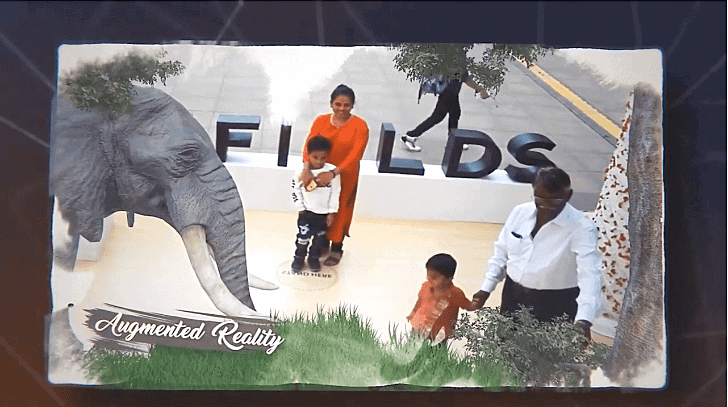
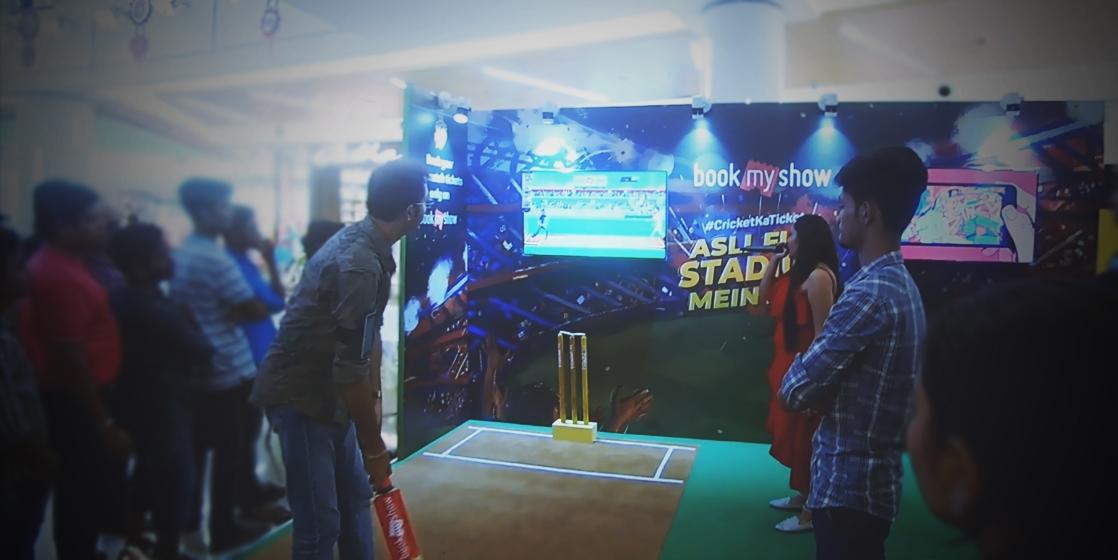
One example of sensor-based technology is an interactive wall game. An interactive wall game is a digital display that uses sensors to detect the movement and actions of players. Players can interact with the wall by moving their bodies, waving their hands, or using other physical gestures to control the game. These games are often used in public spaces, such as malls, airports, and amusement parks, to provide entertainment and engage visitors.
Brands can use interactive wall games as a way to increase audience engagement and create a memorable brand experience. For example, a retail brand could use an interactive wall game to showcase its products and allow customers to virtually try them on. A food or beverage brand could use the game to provide interactive recipe demonstrations or cocktail-making tutorials.
In addition to providing entertainment and education, interactive wall games can also be used for marketing and data collection. Brands can use the games to gather information about their customers, such as their age, gender, and interests, which can be used to tailor their marketing efforts and improve the customer experience.
Overall, sensor-based technology, such as interactive wall games, can be a powerful tool for brands looking to increase audience engagement and create immersive brand experiences.
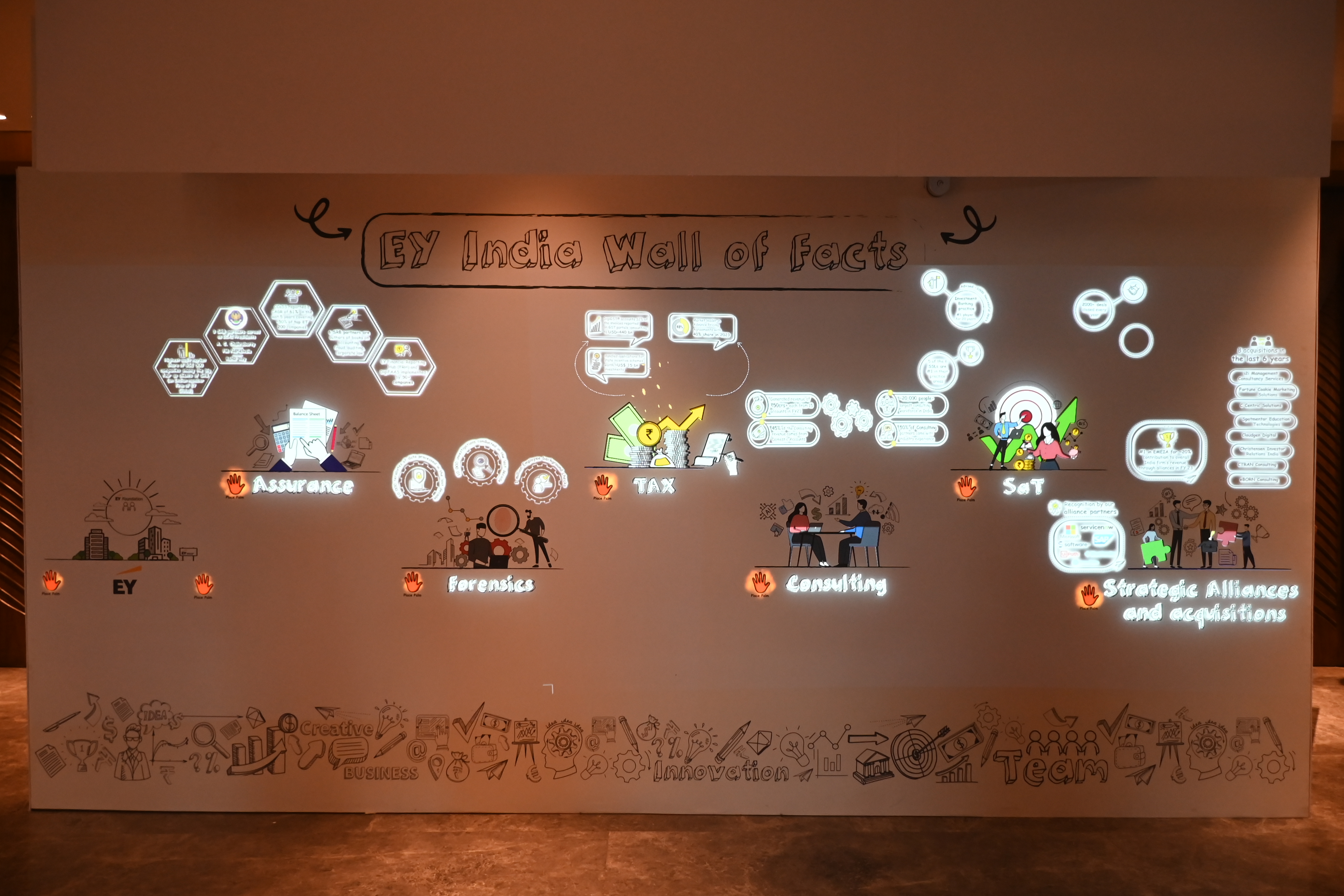
Here you can volunteer a real case of the interactive wall in a brand event provided by Zeal Interactive Services in an event hosted by Ernst & Young for their corporate event. And completely justified the expectations of maximum attendees engagement to know more click here


© Copyright 2026 Zeal Interactive Services. All Rights Reserved.
 30 December 2022
  Team Zeal
 +91 98608 83177 / +91 81697 92086
 Sunrays Shopping Centre,
 gaurav@zealinteractive.in
 www.zealinteractive.in